


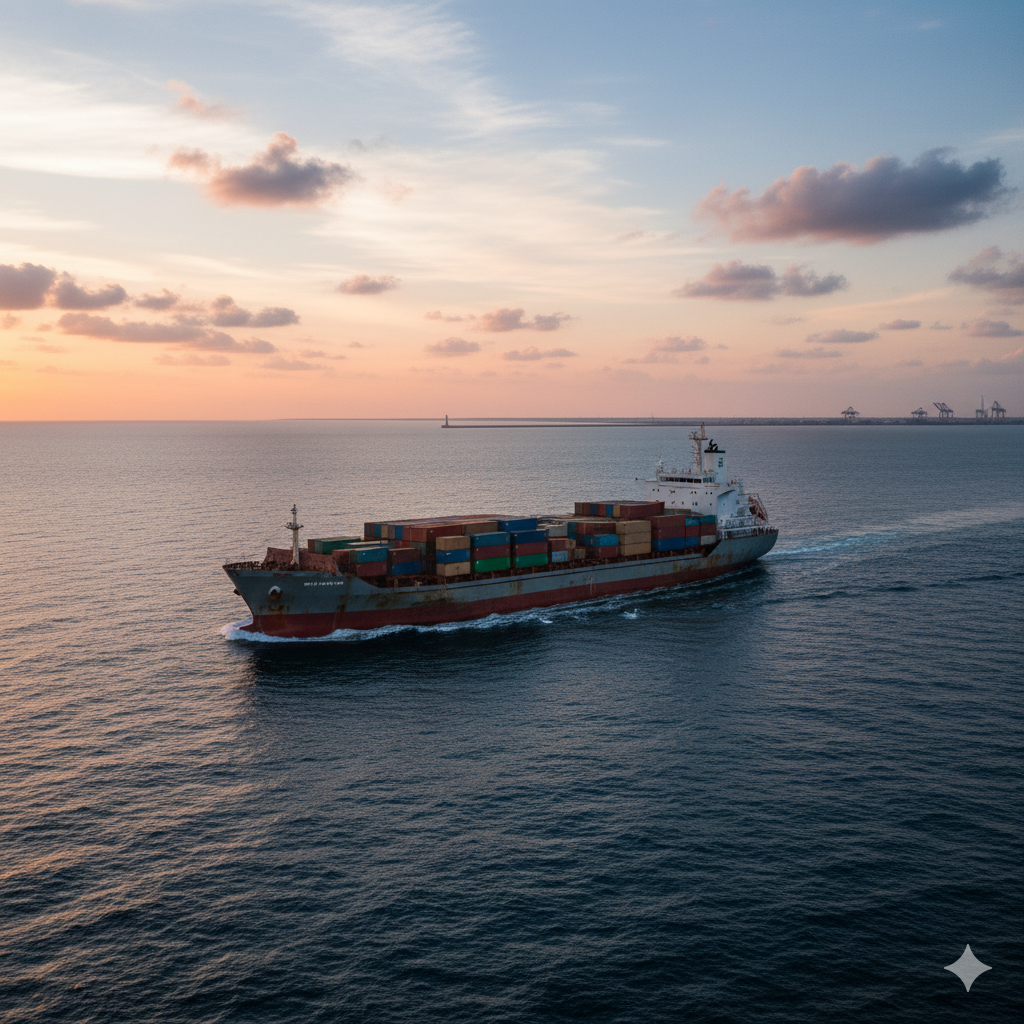
The World of Seafaring and Shipping: Hardships and Endless Benefits
Maritime navigation and shipping have played a vital role in shaping human civilization for centuries. From ancient trade routes to modern global supply chains, the sea has always been a bridge connecting nations, cultures, and economies. Despite its undeniable importance, the maritime industry is one of the most demanding and challenging fields of work, requiring great dedication, resilience, and sacrifice from those who choose this path.
Seafaring is not merely a profession; it is a way of life. Sailors and seafarers often spend long months away from their families, facing isolation, unpredictable weather, and the vast uncertainty of the open ocean. Storms, high waves, and mechanical failures are constant threats, while long working hours and physical exhaustion test both body and mind. Living in confined spaces with limited social interaction can also take a toll on mental health. These hardships make maritime work one of the most challenging occupations in the world.
However, despite these difficulties, the benefits of maritime navigation and shipping are immense. The global economy relies heavily on maritime transport, as more than 80 percent of world trade is carried by sea. Ships transport essential goods such as food, fuel, medicine, and raw materials across continents, making modern life possible. Without shipping, international trade would slow dramatically, leading to higher costs and limited access to resources.
Beyond economic benefits, maritime industries create millions of jobs worldwide. From ship crews and port workers to engineers and logistics specialists, shipping supports livelihoods across many sectors. It also encourages technological innovation, leading to safer ships, cleaner fuels, and more efficient navigation systems. These advancements help reduce environmental impact and improve sustainability in global trade.
Darianavardi, or seafaring, also contributes to cultural exchange and global understanding. Ports are meeting points of different languages, traditions, and lifestyles. Through maritime connections, nations learn from one another and build cooperation beyond political borders. The sea, in this sense, becomes a symbol of unity rather than division.
In conclusion, maritime navigation and shipping are fields filled with both hardship and honor. While seafarers endure physical, emotional, and social challenges, their efforts sustain the global economy and connect the world. Their work often goes unseen, yet its impact is felt everywhere—from the food on our tables to the energy powering our cities. Recognizing the value of maritime labor reminds us that behind every ship on the horizon lies human dedication, courage, and an unbreakable bond with the sea.
Website : www.sbb-co.org
Email address: jobs@sbb-co.org
Number: 00989365947495
Comments (0)
Leave a Comment
No comments yet. Be the first to comment!